

Contract Works Insurance
Your site is exposed from the day it opens, not from the day it's finished.
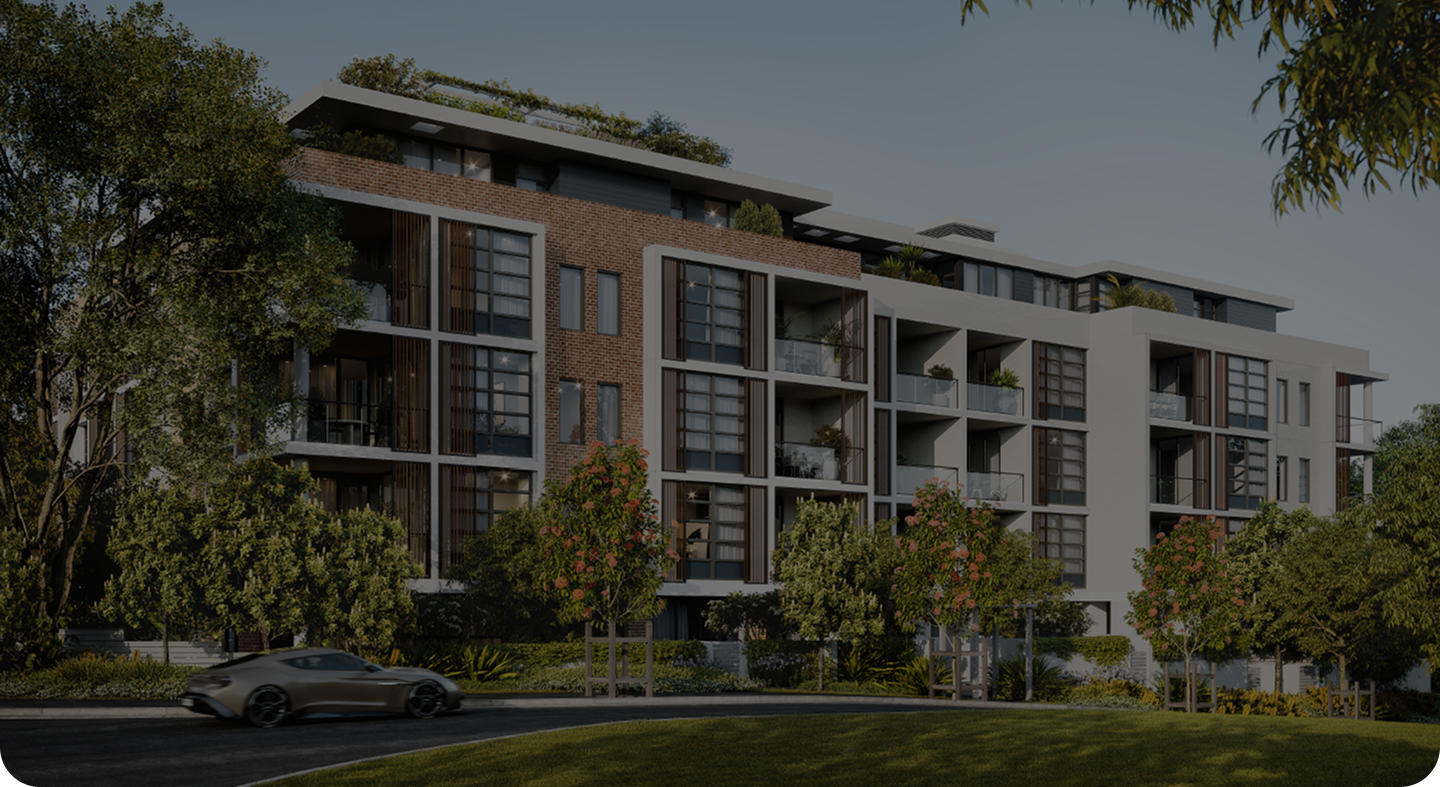
A half-built structure is the most exposed asset on your balance sheet. Contract works insurance is what turns a total loss into a delay instead of an insolvency event. We’ve been placing it on Australian construction projects since 1989.
Coverage Highlights
-
.svg) Single project or annual program options
Single project or annual program options
-
Arranged by SHC either as an Annual Policy or Project Specific depending upon SI2Q and complexity.
-
Physical loss or damage to the works, materials, and equipment
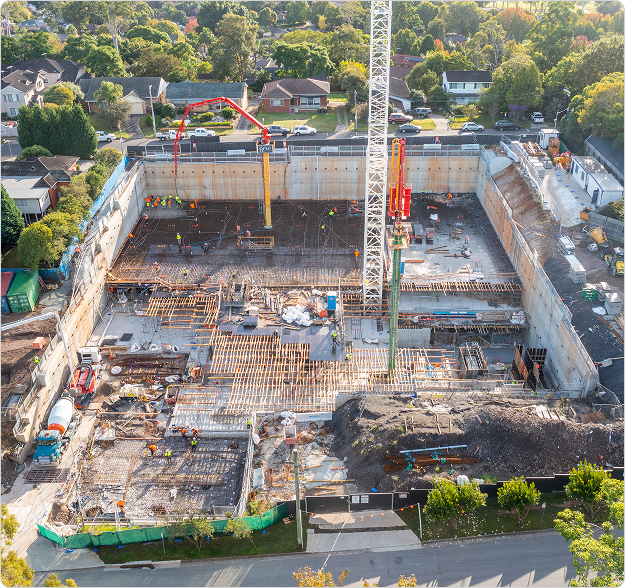
Protection from first works to practical completion
Until practical completion the works are an asset with no title, no occupancy, and a value that moves every month — sitting outside every operational property policy the project will eventually rely on. Contract works is the only instrument covering it.
Every contract allocates the risk of loss or damage to that asset; contract works insurance funds the allocation. The two are drafted separately, months apart, by different people — and the distance between them is where uninsured loss lives. What varies between programs is not the peril list. It is the definition of the insured works, the treatment of existing structures, the defect clause, the sub-limits, who can claim in their own name, and whether time is insured as well as damage.
Where the value sits
-
.svg)
Delay in start-up (ALOP / DSU) — the revenue and financing cost of finishing eight months late.
-
Escalation and variation — so the sum insured keeps pace with a contract that grows.
-
Defective works (LEG2 / LEG3, DE-series) — how much resulting damage the policy actually pays for, and how it ties into Latent Defects Insurance.
-
Existing structures — critical on refurbishment and adaptive reuse.
-
Marine cargo and cargo DSU — where major plant or façade systems are imported.
Why developers insure Contract Works directly with SHC
Principal-arranged
 One panel, one wording, one excess structure — no gaps between parties’ separate policies.
- More competitive rates and extended covers. Leverage the LDI policy and its risk management. Consolidated buying power, cheaper than the sum of individual placements.
- No cross-claims between insured parties, removing the most common source of dispute.
- The principal controls limits, extensions and the claims process — and carries the administrative load.
Developer-arranged
- Simpler at tender stage; cover quality is set by the developer’s program.
- Your recourse at claim time depends entirely on how the contract and policy were drafted.
- Continued cover, not purchased multiple times, in the event of a builder insolvency.
Who should hold this policy?
-

Builders and head contractors
Cover follows the works, not just your own trade. An active site carries risk from every subcontractor on it, and a properly structured policy reflects that.
-

Developers
Control your own program. Contract works sits alongside your LDI program. LDI protects the completed building for ten years; contract works protects the build itself while it's underway. If the builder becomes insolvent, have the Contract Works Insurance in your own name and enjoy its benefits and continuity.
Why SHC?
-
 Placing construction risk since 1989
Leverage of SHC Insurance Brokers 37 years in the Australian market, across cycles, code changes and hard markets.
Placing construction risk since 1989
Leverage of SHC Insurance Brokers 37 years in the Australian market, across cycles, code changes and hard markets.
-
 Construction is not a division here — it’s the business.
Specialist depth no generalist can match. Latent defects, contract works, liability, professional indemnity and plant.
Construction is not a division here — it’s the business.
Specialist depth no generalist can match. Latent defects, contract works, liability, professional indemnity and plant.
-
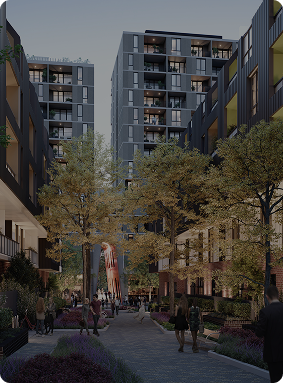 First to market with Latent Defects Insurance in Australia
-
 Insured $8bn worth of construction projects in the last 12 months.
Complete your cover
-
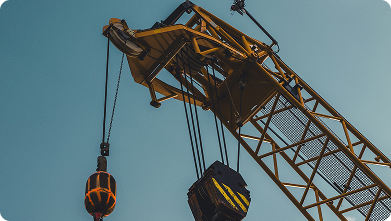
Plant and Equipment
High-value plant and mobile equipment is often under-insured, particularly across multiple sites or when hired out.
-
.png)
Commercial Motor
Fleet and vehicle risk is often fragmented across generalist insurers, with gaps in site-based and between-site use.

Your next project deserves certainty
Book a no-obligation scoping call and get advice from an LDI specialist.
We’ll listen to your requirements and give you a clear recommendation from the start.