
Skip to content
hero

Latent Defects Insurance for Property Developers

Protect your balance sheet. No fault attribution. No litigation. A direct claim to the insurer.

Major defects (structural, waterproofing, fire systems) in large projects don’t normally show up until year three. At this stage, any alternative warranties have closed out, leaving the developer further exposed for a number of years. Latent Defects Insurance (LDI) closes that gap: 10 years of first-resort, strict-liability cover from the date of your Occupancy Certificate. In addition, empirical evidence suggests purchasing LDI is a positive financial purchase. 

Contact Us
  • badge-10-years
  • badge-ldi-resilience
  • 37+ Years

    Specialist construction broker since 1989.

  • Leading Broker

    Dedicated construction insurance specialists with unmatched experience in latent defects cover.

  • $8 Billion

    Construction value managed in the last 12 months.

Who Should Hold This Policy?

What Latent Defects Insurance Covers

Covered

  • Structural elements: load-bearing walls, slabs, columns, beams, transfer structures, and foundations
  • Building envelope: external walls, roof, and waterproofing systems
  • Waterproofing failures relating to structural or envelope defects
  • Fire Safety Structural Elements
  • Consequential losses: temporary accommodation, reinstatement fees, and pre-authorised investigation costs where the building is uninhabitable
  • MEP - Mechanical, Electrical and Plumbing systems

Not Covered

  • Cosmetic or non-structural defects
  • Damage from poor maintenance or wear and tear

*Not all events are covered

Where you Build Changes What Applies

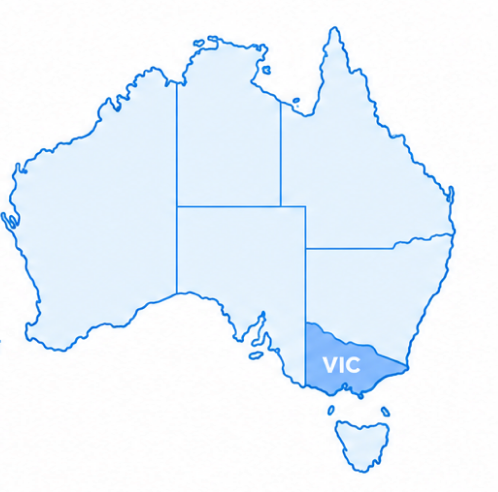
  • I’m in Victoria

    I’m in Victoria

    Victoria has legislated the superior LDI as a formal alternative to the developer bond scheme. Find out what this means for your next project.

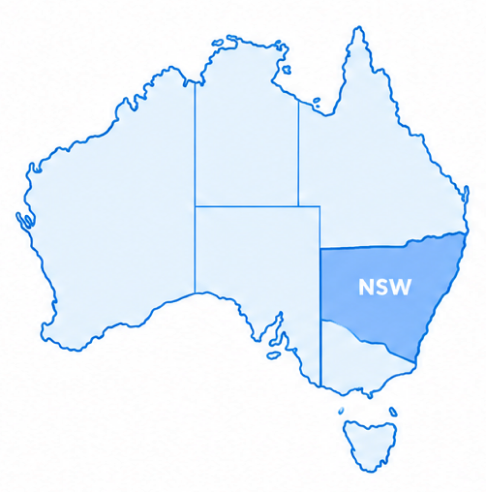
  • I’m in New South Wales

    I’m in New South Wales

    In NSW, the superior LDI is available as an alternative to the Strata Building Bond and Inspections Scheme under the RAB Act framework. Find out what applies to your project.

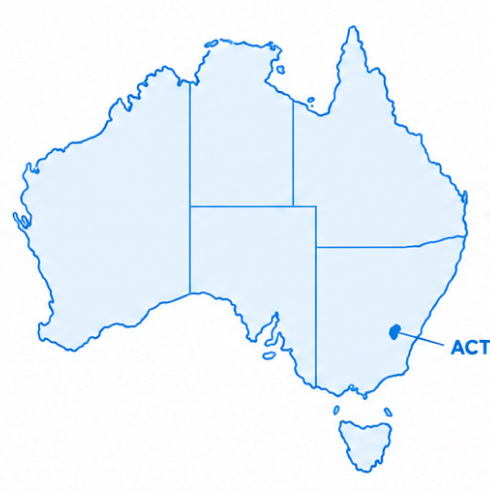
  • I’m in the ACT

    I’m in the ACT

    LDI directly protects developers and directors in the ACT well beyond the statutory warranty, and ahead of any future requirement. Find out what it covers.

Choose SHC Insurance Brokers for Latent Defects Insurance

Most brokers know what LDI is. Few are as informed and passionate about it as we are.
  • Specialist depth no generalist can match

    SHC Insurance Brokers is Australia’s largest LDI broker, and the first to secure this product in the Australian market. We have managed $8bn of construction value in the last 12 months through this program. Our relationship with the insurer gives us speed, genuine fluency in the technical subjectives, and seamless guidance through the OC closeout process.

  • Risk management that sharpens your whole program.

    SHC Insurance Brokers builds independent risk management into every LDI project from design through to occupancy. The result is a demonstrably better, independently verified risk profile, and we use that evidenced position to negotiate significantly sharper rates and broader cover across your entire construction program.

  • One broker, one file
for the full ten-year tail

    From Development Approval (DA) through to the Occupation Certificate (OC) and beyond, SHC Insurance Brokers carries you through each stage with one continuous service and one specialist team. We understand where insurance intersects the certification pathway, flagging issues before they become Practical Completion (PC) or OC blockers, because we have seen every version of this before.

Frequently asked questions

What is a latent defect?

A latent defect is a structural, fire, mechanical, electrical, and plumbing (MEP) systems or waterproofing issue that is not visible or detectable at the time of construction. It may not surface for months or years after the Occupancy Certificate is issued.

How does LDI differ from a builder’s warranty?

A builder’s warranty is typically limited in duration and scope and requires you to pursue the builder directly to make a claim. LDI is a first-resort, strict-liability policy: you claim directly with the insurer without needing to establish fault or take legal action. It also provides coverage for 10 years from the Occupation Certificate, well beyond standard warranty periods.

What is the difference between LDI and a state bond scheme?

State bond schemes, such as the Strata Building Bond and Inspections Scheme in NSW or the developer bond scheme in Victoria, typically cover only common property defects within a limited period post-completion, drawn against a specific defect schedule. LDI covers structural elements and waterproofing across the entire building, including private lots, for 10 years, with no fault attribution required.

Does LDI replace statutory DLP obligations?

No. LDI operates alongside existing statutory obligations, including the Defects Liability Period. It fills the gap that opens once statutory protections have expired or prove insufficient for Class 2-9 buildings.

When does LDI need to be arranged?

LDI must be secured before construction begins. The independent Technical Inspection Service (TIS) that forms part of the policy starts at the design stage. Retrospective cover is not available.

What does LDI cost?

Premium generally ranges from 1.3% to 1.9% of construction cost, with an average of approximately 1.5%. The cost varies by project size, location, complexity, and the insurer’s assessment of construction risk. SHC Insurance Brokers can also arrange premium funding where cash flow is a consideration.

Who pays for LDI?

The cost is typically borne by the developer or builder, though it may be shared by agreement.

Is LDI mandatory?

LDI is not uniformly mandatory in Australia at the time of publication. In NSW, it is available as a formal alternative to the Strata Building Bond under the RAB Act. In VIC, legislation has been passed enabling it as an alternative to the developer bond scheme. The regulatory trajectory in both states points clearly toward broader adoption.

What does the Technical Inspection Service involve?

TIS is a mandatory, independent third-party oversight service that runs from design stage through to practical completion. It confirms the project is being built to its approved design and building code standards. TIS is paid for separately from the LDI premium and is carried out by accredited, independent experts.

What happens if the original builder or developer is no longer in business?

The policy remains in force. LDI follows the building, not the developer or builder. If the original entity becomes insolvent or ceases to operate, the insurer’s obligation to respond to valid claims is unaffected.

Can LDI be transferred to a new property owner?

Yes. LDI is transferable to subsequent owners within the 10-year coverage period. This is a material commercial advantage for off-the-plan sales and resale within the coverage window.

How does the claims process work?

A claim is initiated by notifying the insurer of the defect. An independent assessor is appointed to investigate and validate the claim. Where confirmed, the insurer manages the resolution process, typically by rectifying the defect directly. Pre-authorised investigation costs are also covered.

Claim times vary depending on the claim.

Trusted by leading Australian developers

Your next project deserves certainty

Book a no-obligation scoping call and get advice from an LDI specialist. 
We’ll listen to your requirements and give you a clear recommendation from the start.